
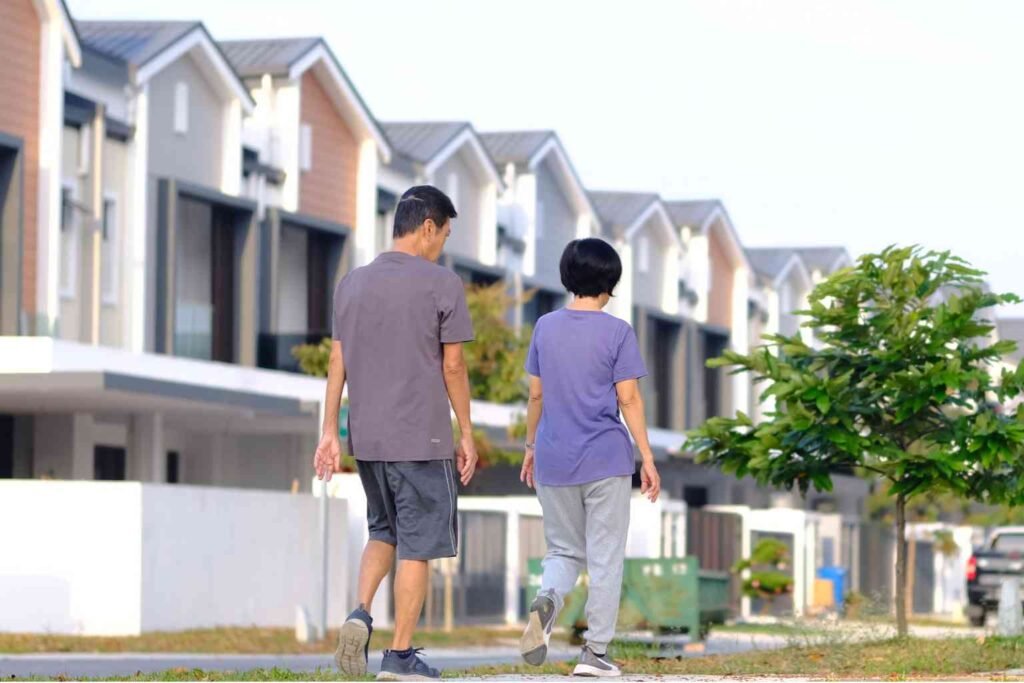
There is a shift in preference towards urban living as individuals seek convenience and healthier lifestyles along with better social connections. Walkable neighborhoods represent one of the largest trends impacting real estate markets in modern times. The idea is to build neighborhoods where residents can walk more easily to shops, restaurants, schools and parks so they won’t need cars all that much. With these benefits, walkable neighborhoods are rapidly becoming the most attractive options for both homebuyers and property investors.
1. What Are Walkable Neighborhoods
Walkable neighborhoods are communities built to enable residents to reach basic services and amenities without having to travel by car. Street friendly blocks, shopping opportunities, and open public places make it easier to be mobile without needing a car.
2. Why Walkability Matters for Modern Living
Today, many people are drawn to neighborhoods where they can handle most daily activities without long commutes. Walkable communities shorten travel time, increase convenience and nurture healthy living by fostering physical activity through regular walking.
3. Key Features of Walkable Neighborhoods
Walkable communities typically consist of a few specific characteristics that promote pedestrian friendly living:
- Good quality sidewalks and pedestrian paths
- Grocery stores, cafes and restaurants nearby
- Public parks and recreational spaces
- Easy access to public transportation
- Mixed residential and commercial developments
These features foster vibrant communities where residents can more easily meet their daily needs.
4. Health Benefits of Walkable Communities
Living in a walkable neighborhood may make people more active. Residents often take walks to nearby locations instead of driving, which is good for not only physical fitness but mental wellbeing as well.
5. Why Homebuyers Prefer Walkable Areas
Walkable neighborhoods have a lot of allure for homebuyers:
- Convenient access to everyday services
- Reduced transportation costs
- More work life balance thanks to shorter commutes
- God-granted opportunities to connect with neighbors
- Increased lifestyle convenience
These elements make walkable neighborhoods attractive for families, young professionals and even retirees.
6. Impact on Real Estate Value
Homes located in walkable neighborhoods are usually more sought after and have better resale value. Homes that deliver ease and proximity to amenities command a premium on price, buyers are paying.
7. Role of Urban Planning
Planners and developers are increasingly going with pedestrian friendly communities. In modern urban planning, mixed use developments where residential areas share space with shops, office buildings and public spaces are becoming the norm.
8. Environmental Benefits of Walkable Neighborhoods
Walkable communities reduce our reliance on cars, as described above. Which helps to create an environmentally sustainable urban ecosystem.
9. Challenges in Developing Walkable Communities
Well-designed planning and infrastructure are needed make neighborhoods walkable. Pedestrian traffic relies on safe sidewalks, appropriate zoning laws, and well designed public spaces in cities.
10. The Future of Walkable Neighborhoods
The future of urban living is largely hailed to be walkable neighborhoods. As convenience, sustainability and healthy lifestyles continue to be valued by people across generations, the demand for pedestrian friendly communities will likely remain on the rise.
Key Takeaways
Because these neighborhoods offer convenience, healthier living and the demand for property is higher in those areas, walkable neighborhoods are becoming real estate hotspots. Balanced with amenities, minimise car usage influencer these communities make up an interesting proposition to modern day home buyers.
FAQs:
Q1. What is a walkable neighborhood?
Walkable neighborhood A community is walkable if residents can easily reach shops, services and public spaces by foot.
Q2. Why are walkable neighborhoods popular?
This is more convenient, garners healthy living, and collapses the dependences of cars.
Q3. Do homes in walkable neighborhoods cost more?
Usually, yes, since high demand and desirable locations drive up property value.
Q4. Are walkable neighborhoods family-friendly?
Yes, they offer safe spaces for play, schools and parks nearby, as well as spaces for community interaction.
Q5. How do walkable communities help the environment?
They reduce cars in use, and help cut congestion and pollution.