
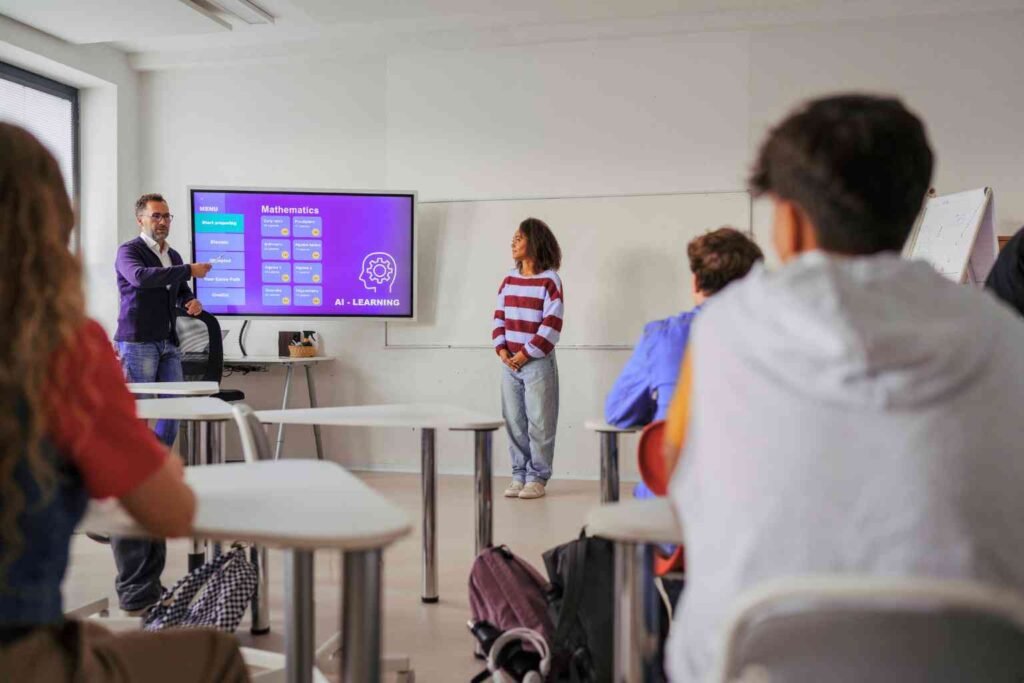
Edtech short for education technology, teaches and innovates our classrooms and online mediums! Digital tools, interactive software and online resources are empowering teachers to teach better lessons while providing more engaging learning for students. Technology makes education more flexible, accessible and interactive than ever.
1. What Is Education Technology
It stands for just about any digital tool or platform that helps facilitate teaching and learning. Increased access to educational resources due to online learning platforms, education apps, authenticated boards and classrooms.
2. Why EdTech Is Becoming Integral to Education
Education systems is another area that technology has been a blessing, new alternative ways to learn are pouring in powered by technology flows across the world providing access information and many other approaches. Videos, exercises and digital content make lessons more engaging when students learn through them.
3. Key Benefits of Education Technology
Benefits the teacher, and learner in so many ways:
- Interactive and engaging learning experiences
- Easy access to educational resources
- Flexible learning through online platforms
- Further increase communication from students to teachers
- Better tracking of student progress
All these helps in making the education successful and productive.
4. Digital Tools Supporting Teachers
Digital tools help teachers manage their classrooms and deliver lessons. Teachers use smart boards to clarify ideas and concepts for their students, while presentation tool devices are used for engaging students in online assessment platforms.
5. The EdTech tools that will make kids learn better
Consequently, students can also learn anywhere at any time. Digital lessons, video lectures and online quizzes give students a chance to revisit topics and practice skills outside of class.
6. Skills Students Develop Through EdTech
Edtech enables students’ alignment with key competencies that employers are seeking for today’s careers:
- Digital literacy and technology awareness
- Independent learning abilities
- Critical thinking and problem solving
- Collaboration through online tools
- Better research and information analysis
These are skills that will benefit students academically and professionally in the future.
7. Online Learning and Virtual Classrooms
E-learning platforms and online classrooms are commonplace in education today. These systems let students tune in remotely to classes and participate in discussions as well as online work through assignments.
8. Personalized Learning Opportunities
Education tech can tailor materials to each student’s capabilities. Others use artificial intelligence to recommend lessons and exercises tailored to a student’s learning speed.
9. Challenges of Education Technology
However, there are flaws of EdTech as well:
- For some students, there may be no Internet access
- Educators require training to use digital tools effectively
- Student access to devices can vary widely
10. The Future of Education Technology
As digital tools grow more advanced, edtech will only continue to move through the current trends. These might include:
- Interactive systems
- Virtual reality learning environments
- AI based educational platforms
Key Takeaways
- Teachers rethink what they teach and students how they learn as classroom technology evolves
- Digital tools can help to provide more accessible engagement and individualized education
- Teachers can teach lessons faster by applying technology
- Digital platforms allow students and educators to learn at their own pace
FAQs:
Q1. What is education technology?
On the other hand, Education Technology EdTech normally refers to different software or platforms that support teaching and learning.
Q2. How does EdTech help teachers?
It assists teachers in delivering lessons, maintaining smooth-running classrooms and tracking student progress.
Q3. How does corporation help students in study?
Practice the skills and participate interactively. Since it is used for learning purposes at any time, it becomes an interactive medium to practice skills.
Q4. What are virtual classrooms?
A virtual classroom is an online learning environment that allows instructors and learners to connect and conduct classes.
Q5. Is education technology the future of the traditional classroom?
No, it is not replacing traditional education; it is augmenting it.